
What Construction Vendor Management Is — and How to Run It Better
In construction, your success depends on the partners you bring to the job. Electricians, plumbers, excavators, suppliers, and service providers make up the network that turns plans into finished buildings. But relying on email threads, spreadsheets, and scattered files to coordinate all that work opens the door to missed deadlines, cost overruns, and project disruptions.
Vendor management is the process of selecting, onboarding, tracking, and overseeing every external provider who contributes to a project — from bidding through closeout. Done right, it improves efficiency, reduces risk, and helps you deliver on time and on budget.
In this post, we’ll break down:
- What vendor management in construction really means
- Why it matters now more than ever
- Best practices for managing vendors and subs
- How better tools — including cloud-based construction software — can help
What Is Vendor Management in Construction?
Vendor management in the construction industry is the structured approach to overseeing all parties that provide goods or services on a project. This includes subcontractors, specialty trades, material suppliers, rental vendors, and even service providers like inspections or testing.
On the surface it might sound like a fancy term for “keeping track of your subs.” But in practice it’s much more comprehensive:
- Selecting reliable partners who meet your quality, safety, and scheduling needs
- Prequalifying based on certifications, insurance, and performance history
- Negotiating contracts with clear expectations and KPIs
- Monitoring performance, compliance, and timelines
- Managing payments, disputes, and documentation
- Offboarding or reshuffling vendors when needed
Vendor management isn’t just about choosing the cheapest option — it’s about building a dependable network that helps you reduce risk and improve project outcomes.
Why Vendor Management Matters So Much in Construction
Construction is heavily dependent on coordination. Unlike industries where a delay in one supplier might be absorbed, one subcontractor falling behind can disrupt an entire project.
Here’s why vendor management is critical:
⛏ Reduced Delays and Ripples Across Trades
In a typical build, electrical work can’t begin until framing is ready, and inspections can’t happen until trades finish their stages. When vendors aren’t aligned, these dependencies quickly compound into delays.
📋 Compliance and Risk Control
Missing certifications, expired insurance, or inadequate safety practices aren’t just administrative issues — they can halt work and expose you to legal and financial risk.
💰 Cost Control and Better Bids
Good vendor management helps you:
- Compare quotes more effectively
- Negotiate better terms
- Avoid costly change orders due to miscommunication
- Eliminate rework caused by poor execution
💡 Better Forecasting and Decision-Making
Tracking performance over multiple projects gives you real data on who consistently delivers on time and budget — turning guesswork into strategic sourcing.
Core Responsibilities in Construction Vendor Management
Vendor management isn’t a one-off activity — it’s a lifecycle that starts long before work begins and continues until final closeout.
1. Vendor Prequalification
This is the first step toward protecting your project. Prequalification reviews licenses, insurance, past performance, and financial stability. It helps you avoid risky partners — and sets expectations early.
2. Contract and Scope Clarity
Clear contracts don’t just set pricing. They define timelines, quality standards, deliverables, penalties, change order procedures, and communication protocols.
3. Onboarding and Documentation
A strong onboarding process ensures vendors know the plan, understand expectations, and have access to necessary documents, permits, and systems before they begin work.
4. Performance Monitoring
Tracking quality, delivery timelines, safety compliance, and communication responses helps you catch issues early — before they snowball into project delays.
5. Relationship and Communication Management
Strong vendor relationships reduce friction, improve responsiveness, and make it easier to resolve issues when they arise.
Common Vendor Management Challenges (and How to Fix Them)
❗ Fragmented Information
When vendor records, contracts, compliance documents, and performance metrics are scattered across platforms — email, shared drives, spreadsheets — information gets lost, delayed, or out of date.
Fix it by centralizing everything in a single system that’s accessible to preconstruction, project management, finance, and field teams.
❗ Lack of Accountability
If no one owns the vendor relationship, tasks like compliance checks and performance reviews become ad-hoc and inconsistent.
Fix it by assigning vendor liaisons — and standardizing scorecards and KPIs.
❗ Manual Tracking and Reminders
Relying on calendars and people to remember insurance renewals, license expirations, or deliverables invites human error.
Fix it with automated reminders and dashboards that alert team members when key milestones or compliance items are due.
How Better Software Makes Vendor Management More Effective
Cloud-based vendor management software, or VMS platforms, transform vendor oversight from reactive to proactive. Rather than sifting through emails and folders, you get:
📌 Centralized Vendor Records
All vendor info — contacts, certifications, insurance, performance history — lives in one place. This reduces confusion and speeds decision-making.
📌 Real-Time Compliance Tracking
Automated tracking of licenses, insurance, safety certificates, and other compliance items helps ensure nothing expires unnoticed.
📌 Performance Metrics and Scorecards
Dashboards and scorecards help you compare vendors across projects, standardize evaluations, and spot trends before they impact schedules or budgets.
📌 Integrated Workflows
Vendor oversight ties back into estimating, scheduling, costing, and project execution plans — so everyone works from the same data.
This kind of visibility and accountability helps teams plan better, respond faster, and manage risk more effectively.
Vendor Management Best Practices for Contractors
Whether you’re managing hundreds of vendors across multiple jobs or just a handful on a single project, these practices help:
- Define prequalification criteria tied to project goals — include safety records, delivery history, and capacity.
- Use standardized performance scorecards to track quality, delivery, and communication.
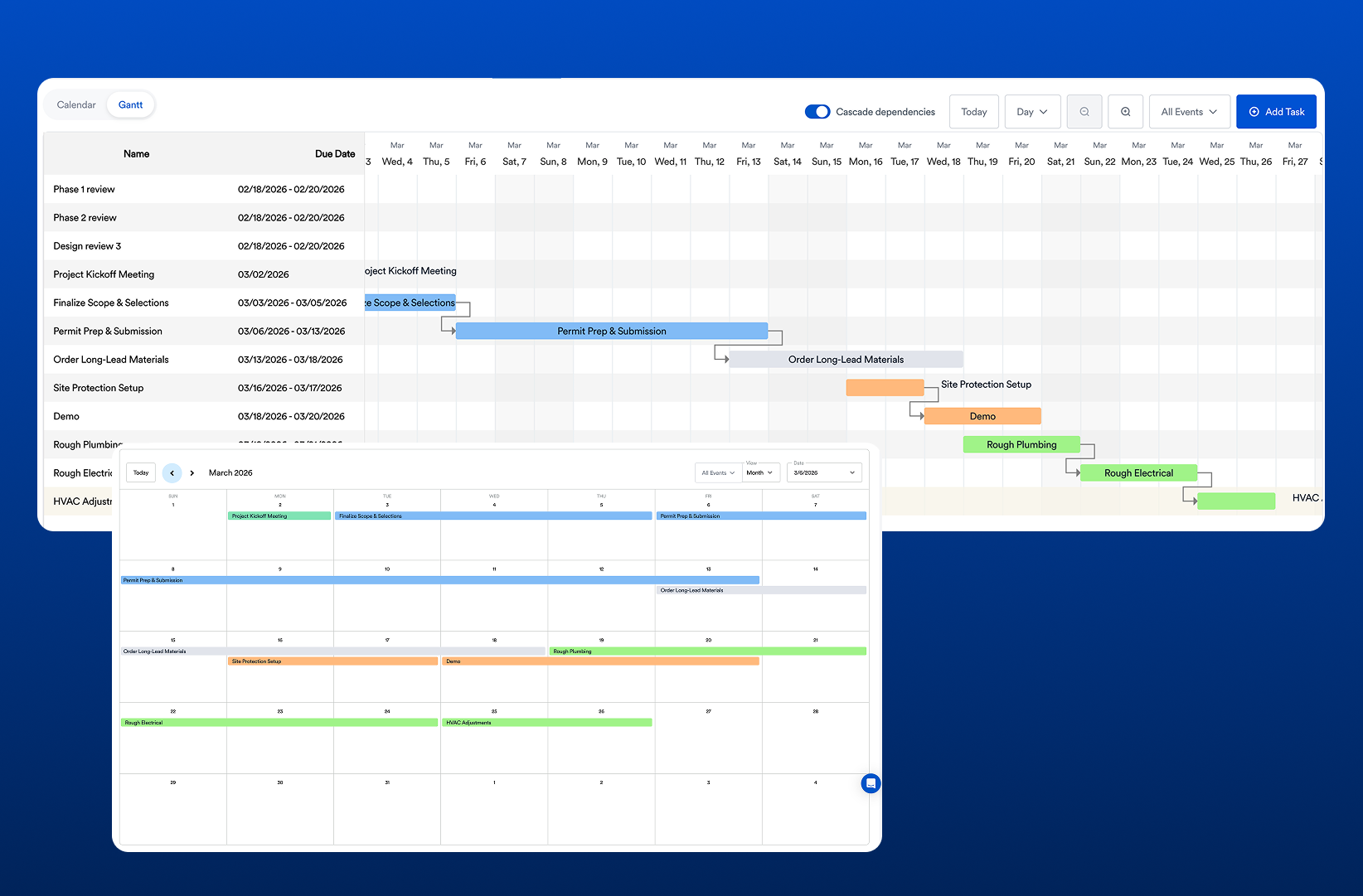
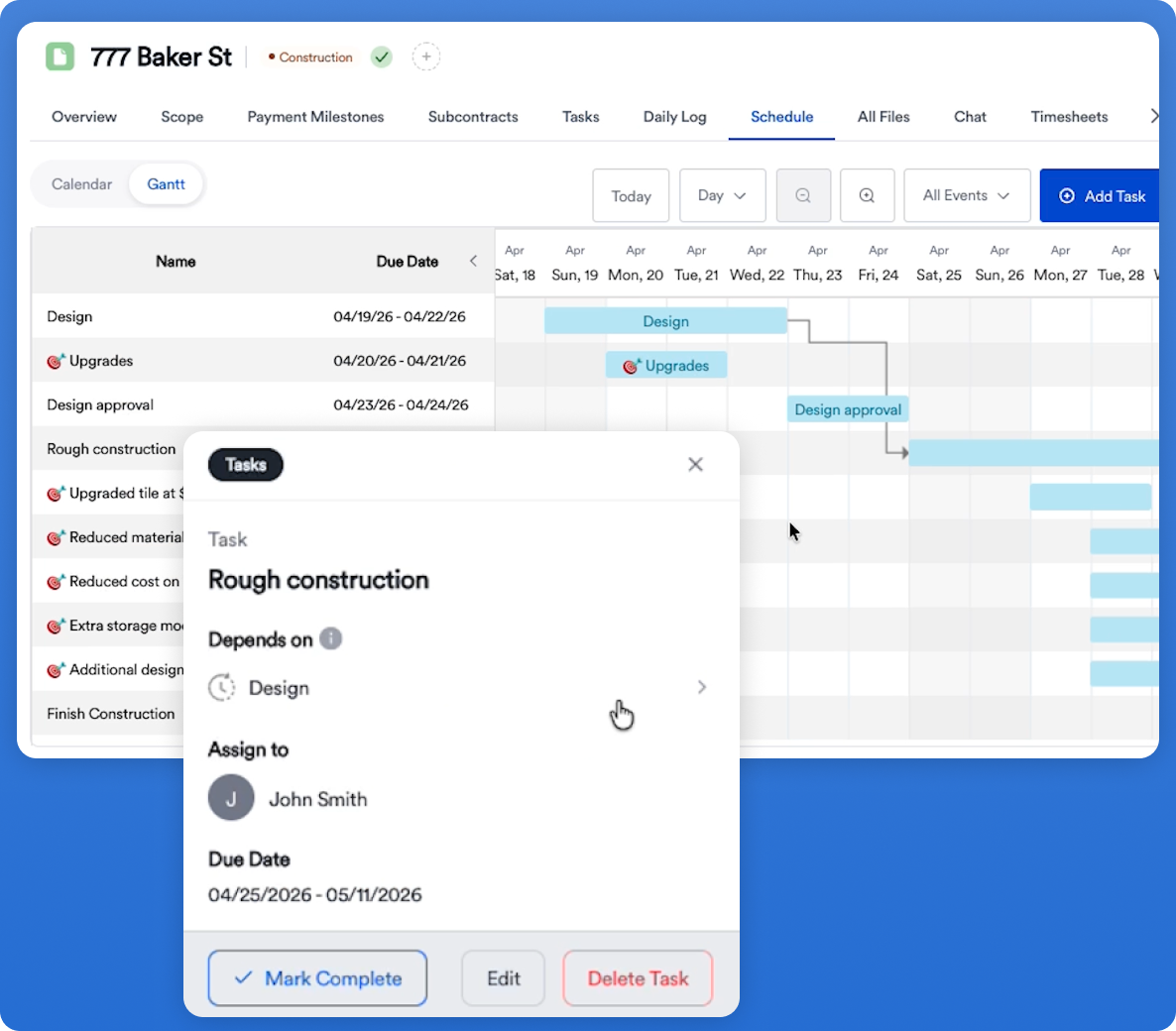
- Lock important milestones into the master schedule so vendor activities become dependencies rather than afterthoughts.
- Communicate expectations early and often — scope documents, quality benchmarks, and safety protocols.
- Offer structured feedback loops to encourage improvements without conflict.
How Eano Pro Supports Better Vendor Management
Eano Pro brings subcontractor and vendor coordination into the same platform where you manage estimates, proposals, jobs, and teams — eliminating silos that cause delays and confusion.
With Eano Pro, you can:
- Centralize vendor profiles, contracts, and compliance documents
- Track performance and on-time delivery across projects
- Link vendor data directly to budgets, scope, and schedules
- Get reminders for renewals, compliance checks, and key deliverables
- Reduce manual tracking and accelerate decision cycles
This transparency and structure help you keep projects running on schedule, reduce risk, and build a network of reliable partners.
Get a demo to see how Eano can can streamline vendor management.