Tile Grout Calculator
How Much Grout Do I Need?
The Tile Grout Calculator helps you estimate how much grout you need for floors, walls, backsplashes, and shower installations. Instead of guessing, you can use your actual tile dimensions and grout joint size to estimate grout weight, bag count, and material cost more accurately.
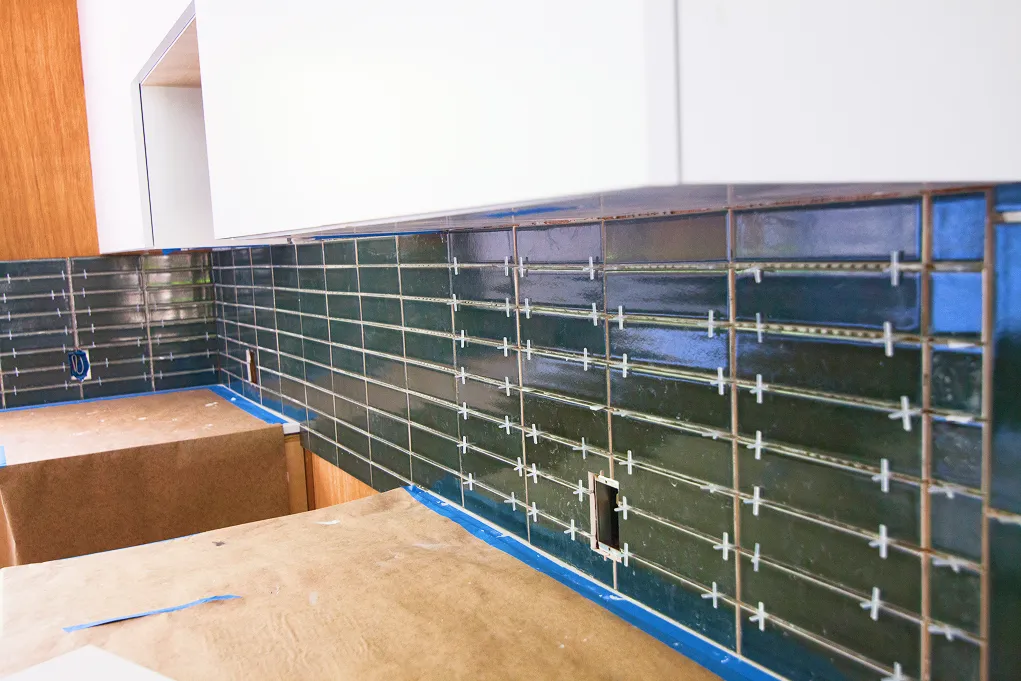
Why Grout Estimation Matters
Grout may seem like a minor material compared to tile, but running short in the middle of a project can create delays, mismatched product issues, and unnecessary trips back to the supplier.
Over-ordering grout also adds avoidable cost, especially on larger projects or when using specialty grout products.
Accurate grout estimation helps contractors and homeowners:
- avoid project interruptions
- control material cost
- order the right number of bags
- plan for waste and complex layouts
- improve estimate accuracy
Because grout quantity depends on joint volume rather than just surface area, it is important to calculate it using the actual tile and grout dimensions.
What the Calculator Covers
This tile grout calculator helps estimate:
- total tile area
- approximate grout joint volume
- base grout weight
- recommended grout order quantity
- number of grout bags needed
- estimated grout material cost
It also accounts for:
- grout joint width
- tile thickness
- grout type
- waste allowance
- added complexity for cuts or obstacles
That makes it much more useful than a simple square-foot estimate.
What Affects How Much Grout You Need?
Several factors have a direct effect on grout quantity.
Grout Joint Width
Wider grout joints require more grout. A floor installed with 1/4-inch joints will use significantly more grout than the same floor installed with 1/8-inch joints.
Tile Thickness
The deeper the joint, the more grout it takes to fill it. Thicker tile generally means deeper grout joints and more grout required.
Tile Size
Smaller tile formats usually create more joints across the same area, which means more grout. Larger-format tile often reduces total grout volume because there are fewer joints per square foot.
Waste Allowance
Even with careful planning, grout is lost during mixing, cleanup, and installation. Projects with complex layouts, lots of cuts, or irregular obstacles often need extra allowance.
Overview
The Tile Grout Calculator estimates grout usage by modeling joint volume based on your room size, tile dimensions, grout width, and tile thickness. It then converts that into an approximate grout weight and bag count.
This helps contractors and installers get closer to a realistic material order without relying on rough guesses or broad rules of thumb.
It is especially useful when comparing different tile sizes or grout joint widths because it quickly shows how those decisions change the total material requirement.
How to Use the Calculator
Start by entering the length and width of the area being tiled in feet. Then enter your tile length and width in inches.
Next, input the grout joint width and tile thickness. These two values are especially important because grout usage is heavily influenced by joint size and depth.
After that, choose the grout type and add a waste percentage. If your project has a lot of cuts, corners, fixtures, or irregular edges, you can add an extra obstacle or complexity factor in the advanced options.
You can also select the grout bag size and add a price per bag to estimate total material cost.
The calculator will then estimate:
- grout weight in pounds
- recommended order amount
- bag count
- total material cost
How to Interpret the Results
The main output tells you the estimated total grout required for the project. This is the practical number to use when ordering material.
You should also review the base grout weight compared to the recommended order amount. The difference between those numbers represents the added waste allowance, which helps account for real-world installation conditions.
If the bag count feels high, look at the grout joint width and tile thickness first. Those are often the biggest drivers of grout usage. Even a small increase in joint width can significantly increase the amount of grout needed.
The calculator is especially useful for comparing scenarios such as:
- 1/8-inch vs 3/16-inch joints
- large-format tile vs smaller tile
- standard waste allowance vs complex-layout allowance
Key Considerations When Ordering Grout
Grout estimates are only as useful as the assumptions behind them. It is important to match your inputs to the actual tile and installation method.
Some projects need more grout than expected because of uneven spacing, irregular cuts, niche details, or transitions. Wet areas like showers may also require different grout products than dry floor areas, which can affect both quantity and price.
It is also wise to keep a little extra grout if color matching matters. Future repairs can be much easier when you already have matching grout on hand.
How Eano Helps Turn Material Calculations Into Real Estimates
A grout calculator helps with one part of the job, but contractors still need to turn those material quantities into a full estimate and proposal.
Eano helps you do that.
With Eano, contractors can:
- build line-item estimates with tile, grout, labor, and markup
- standardize pricing across flooring and tile jobs
- turn quantities into client-ready proposals
- update estimates without rebuilding them from scratch
- keep estimates, invoices, and project details organized in one workflow
Instead of moving between spreadsheets, notes, and proposal templates, Eano helps teams go from material calculation to estimate to proposal more efficiently.
Book a demo to see how Eano helps contractors estimate faster and win more jobs.
Get a Personalized Demo
Related Tools
FAQs
How do I calculate how much grout I need?
Why does tile thickness matter for grout estimates?
Tile thickness affects the depth of the grout joint. Deeper joints require more grout, which is why thicker tile installations typically use more grout than thinner installations with the same tile size and area.