Board Foot Calculator
Estimate Lumber Volume and Cost in Seconds
Whether you’re pricing out hardwood, framing materials, or planning a woodworking project, getting your lumber quantities right matters. This board foot calculator helps you quickly estimate both volume (board feet) and total material cost based on your board dimensions.
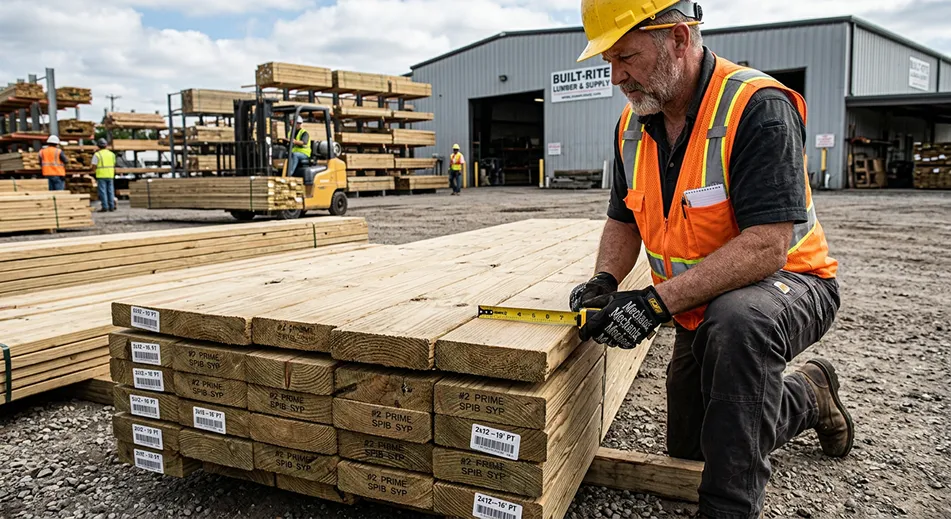
What Is a Board Foot?
A board foot is a unit of volume used in the lumber industry. It represents:
1 foot long × 1 foot wide × 1 inch thick
That equals:
- 144 cubic inches
- 1/12 of a cubic foot
Unlike square footage (which measures area), board feet measure volume, which is why it's the standard for pricing lumber.
This system became widely adopted because it creates a consistent way to price wood—regardless of how the board is cut or shaped.
How to Calculate Board Feet
To calculate board feet manually, use this formula:
Board Feet=Length (ft)×Width (in)×Thickness (in)12\text{Board Feet} = \frac{\text{Length (ft)} \times \text{Width (in)} \times \text{Thickness (in)}}{12}Board Feet=12Length (ft)×Width (in)×Thickness (in)
Key things to watch:
- Length is measured in feet
- Width and thickness are measured in inches
- Always divide by 12
Example Calculation
Let’s say you’re buying lumber for a project:
- 5 boards
- 8 ft long
- 10 inches wide
- 1.25 inches thick
- $4.15 per board foot
Step 1: Calculate board feet per board
8 × 10 × 1.25 ÷ 12 = 8.33 board feet
Step 2: Multiply by number of boards
5 × 8.33 = 41.67 board feet
Step 3: Calculate cost
41.67 × $4.15 = $172.92
This is exactly what the calculator above automates for you—instantly.
Why Board Feet Became the Industry Standard
The use of board feet isn’t random—it solves real problems in the lumber industry.
Standardization
Before board feet, lumber was often measured in “cords,” which varied by region. Board feet introduced a consistent, reliable system.
Works Across Any Board Size
Boards can vary widely in thickness, width, and length. Board feet normalize everything into a single unit.
Pricing Simplicity
Lumber is typically priced per board foot, making it easy to estimate total cost once you know your volume.
Global Adoption
While measurement systems vary, board feet are widely understood across North America and used in many international lumber transactions.
When to Use a Board Foot Calculator
You’ll want to use this calculator anytime you’re:
- Buying hardwood or specialty lumber
- Estimating framing materials
- Pricing out a woodworking project
- Comparing supplier quotes
- Planning bulk lumber purchases
It’s especially helpful when working with mixed board sizes, where manual calculations become tedious.
How Eano Makes This Even Easier
The calculator is a great starting point—but real jobs require more than just volume estimates.
With Eano Pro, contractors can:
- Turn measurements into line-item estimates instantly
- Apply material costs, markup, and labor automatically
- Generate client-ready proposals in minutes
- Track pricing changes across suppliers
- Manage projects from estimate → job → payment in one place
Instead of calculating board feet separately and rebuilding estimates in spreadsheets, you can connect everything into one workflow.
Get a Personalized Demo
Related Tools
FAQs
Can I calculate board feet for multiple boards at once?
What’s the difference between board feet and linear feet?
Can I use this for plywood or sheet goods?