
Construction jobs move quickly, and the equipment behind them has to keep up. Excavators, skid steers, dump trucks, generators, and even smaller tools all represent money, time, and risk. When one piece of equipment is late, lost, underused, or overdue for service, the impact can spread across the whole project. That is where construction equipment fleet management software comes in.
At its simplest, this type of software helps contractors track what equipment they own, where it is, who is using it, when it was last serviced, and whether it is worth keeping on a job or moving somewhere else. Think of it as a digital control center for your fleet. Instead of relying on spreadsheets, texts, and memory, you get one place to organize assets and make smarter decisions.
This matters more than ever because equipment costs are not small. According to the Associated General Contractors of America, construction input costs remain a major pressure point for contractors, and wasted time or underused assets only adds to that burden. When machines are sitting idle, getting rented twice, or missing maintenance windows, the business feels it quickly. Fleet management software helps reduce that drag by making equipment easier to manage.
What construction equipment fleet management software actually does
Good fleet software gives contractors visibility. It lets you see what equipment exists, where it is assigned, and whether it is ready to work. Depending on the platform, it may also include maintenance scheduling, usage logs, inspection forms, fuel tracking, GPS location, and repair history. Some systems go further with cost tracking, depreciation reports, and alerts for upcoming service intervals.
The big benefit is not just recordkeeping. It is decision-making. When you can see which machine has been sitting on a site for two weeks without being used, you can move it to another crew instead of letting it drain value. When you know a generator is due for service before the next pour, you can avoid a delay that might cost an entire day. That kind of control is why many contractors search for the best construction management software as they try to improve both jobsite coordination and back-office efficiency.
Why contractors need it
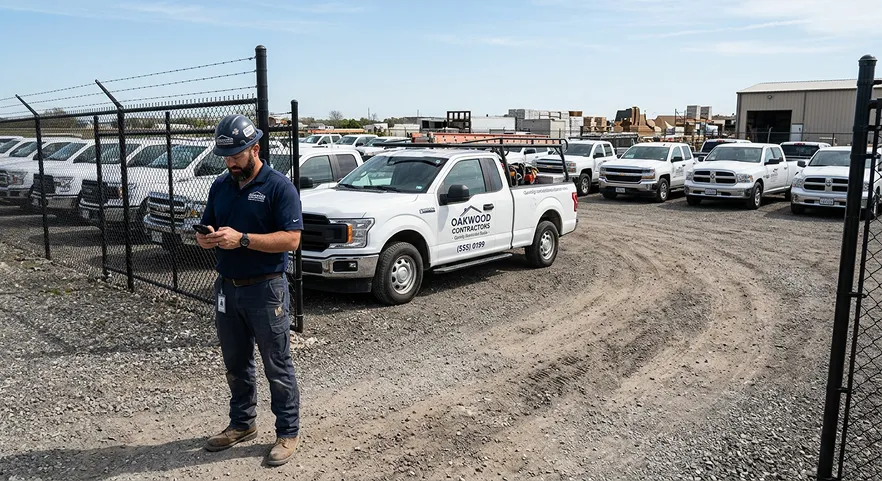
Construction companies often grow in a messy way. A business starts with a handful of tools and vehicles, then adds more jobs, more crews, more subcontractors, and more equipment. Before long, it becomes hard to answer basic questions: Which trailer is on which site? Who signed out the laser level? Is the mini excavator available Friday? Has the telehandler been serviced this month?
Without software, those questions are usually answered through calls, texts, or walking the yard. That may work for a very small team, but it breaks down fast as the business scales. Fleet management software gives growing contractors a better system. It cuts down on lost equipment, improves accountability, supports maintenance planning, and helps reduce downtime. It also makes it easier to estimate true equipment costs, which is useful when bidding work and reviewing margins later.
There is also a human side to this. Crews get frustrated when the right equipment is not available. Office staff get stuck chasing information that should already be documented. Owners end up making decisions based on incomplete data. A cleaner equipment system removes a lot of that stress.
The most useful features to look for
Not every platform is built the same, so it helps to know which features matter most. For most contractors, the essentials include asset tracking, maintenance reminders, jobsite assignment visibility, and simple reporting. If your company operates multiple crews or multiple yards, GPS and transfer logs become even more valuable.
Maintenance tracking is one of the most important pieces. Preventive service costs far less than major repairs caused by neglect. If a machine is due for inspection or repair, the system should flag it before the issue becomes expensive. Inspection checklists are also helpful, especially when equipment changes hands between crews. They create a paper trail and reduce disputes over damage or condition.
Another feature worth paying attention to is ease of use. A powerful system that no one wants to use is not very powerful at all. Field teams need something simple enough to open on a phone and update in seconds. Office managers need dashboards that make sense at a glance. The best platforms strike a balance between detail and speed.
How fleet software improves profit and productivity
Construction margins are often tight, which means small inefficiencies can become big problems. A machine sitting idle for three days may not feel expensive in the moment, but over a full season those hidden costs add up. Equipment that is not tracked well can also be rented unnecessarily, misplaced between sites, or kept long after it should have been sold.
Fleet management software helps contractors see those patterns earlier. That leads to better utilization, fewer emergency repairs, and less wasted labor. It also supports better scheduling. If you know what equipment is available and where it is, you can plan jobs with more confidence instead of making last-minute adjustments.
There is a financial upside too. Organized records make it easier to justify purchases, compare rental versus ownership, and calculate the real cost of keeping a piece of equipment in the fleet. That kind of insight is especially useful for growing contractors who want to expand without losing control.
Where Eano Pro fits in
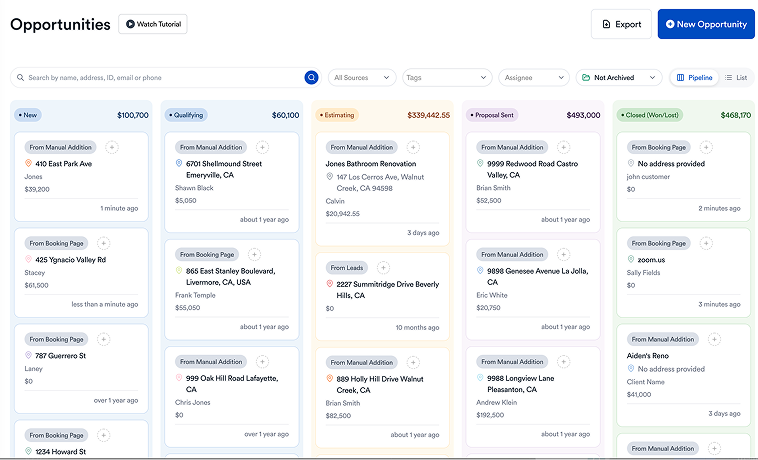
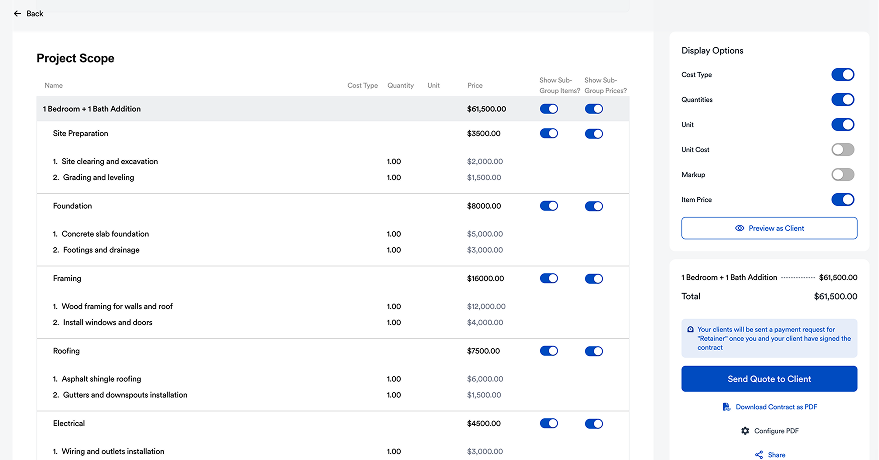
Eano Pro helps contractors keep projects and operations more organized by bringing key business information into one place. While every company’s setup is different, a platform like Eano Pro can support clearer coordination, better documentation, and easier communication across teams. That matters because fleet management is not just about machines; it is about making sure the people, schedules, and project details around those machines stay aligned.
For contractors trying to keep equipment usage and project workflows under control, Eano Pro can make day-to-day management feel less scattered. It can support a more professional process for tracking work, staying on top of details, and reducing the chances that something important gets overlooked. In practice, that means fewer surprises and more time spent on actual construction work.
For companies comparing software options, Eano Pro is worth considering if they want a tool that helps improve overall operational clarity, not just one narrow part of the business. A lot of teams do not need more complexity. They need a system that makes the work easier to manage.
How to choose the right platform
When evaluating software, start with your biggest pain points. If equipment goes missing often, prioritize asset tracking. If breakdowns are your biggest issue, prioritize maintenance management. If crews constantly switch jobs, focus on mobile access and assignment history. The right software should solve real problems you already have, not create more work.
It is also smart to think about implementation. Ask how long setup takes, whether training is included, and how easy it is to import existing records. If the system cannot be adopted smoothly, your team may resist it. Contractors are busy, and any new tool needs to earn its place quickly.
Finally, look for software that can grow with you. A small contractor may need only a simple equipment log at first, but as the business expands, maintenance scheduling, reporting, and multi-site coordination become more important. Choosing a platform that can scale helps avoid a painful migration later.
Final thoughts
Construction equipment fleet management software is about more than checking boxes. It is about protecting expensive assets, keeping crews productive, and making better business decisions with less guesswork. When equipment is easier to track, maintain, and assign, projects tend to run more smoothly.
If your current system is a mix of spreadsheets, group texts, and memory, you are probably losing time in ways that are hard to measure but easy to feel. The good news is that a better process does not have to be complicated. With the right platform, you can bring more order to the fleet, reduce stress for the team, and keep jobs moving.
That is where Eano Pro can help. By supporting clearer project organization and operational visibility, it gives contractors another tool for staying on top of the details that matter most. And in construction, the details are usually where profits are won or lost.