
How Pool Builders Manage Projects from Dig to Fill (Without Losing Margin)
Pool projects look simple from the outside: dig a hole, build the shell, install the equipment, fill the pool, and hand over a finished backyard. Anyone who has actually run a pool job knows better. Every phase depends on the last one. If excavation slips a day, the gunite crew may lose its window. If the coping is delayed, finish work backs up. If a client changes tile after the order has been placed, margin can disappear almost overnight.
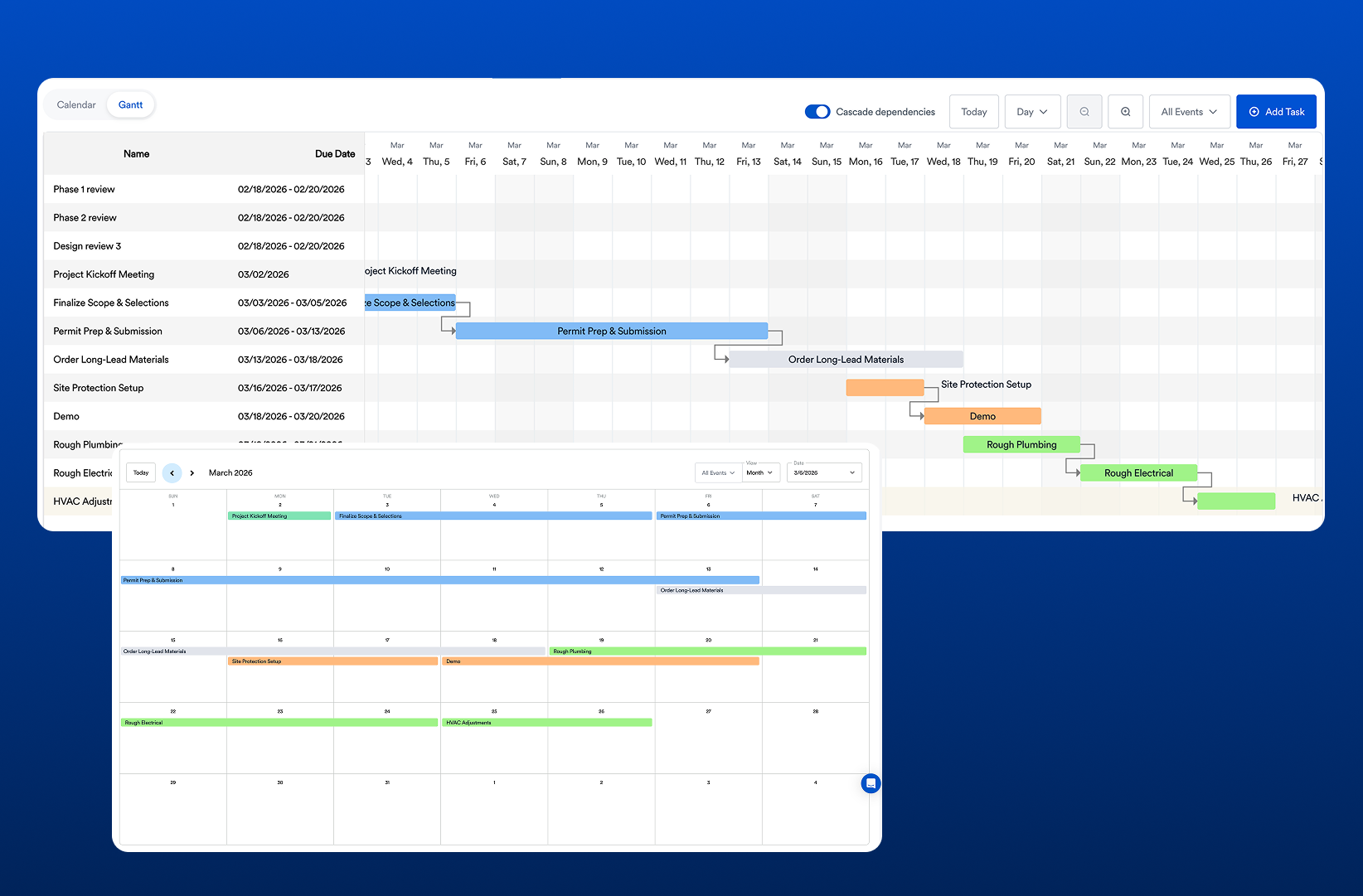
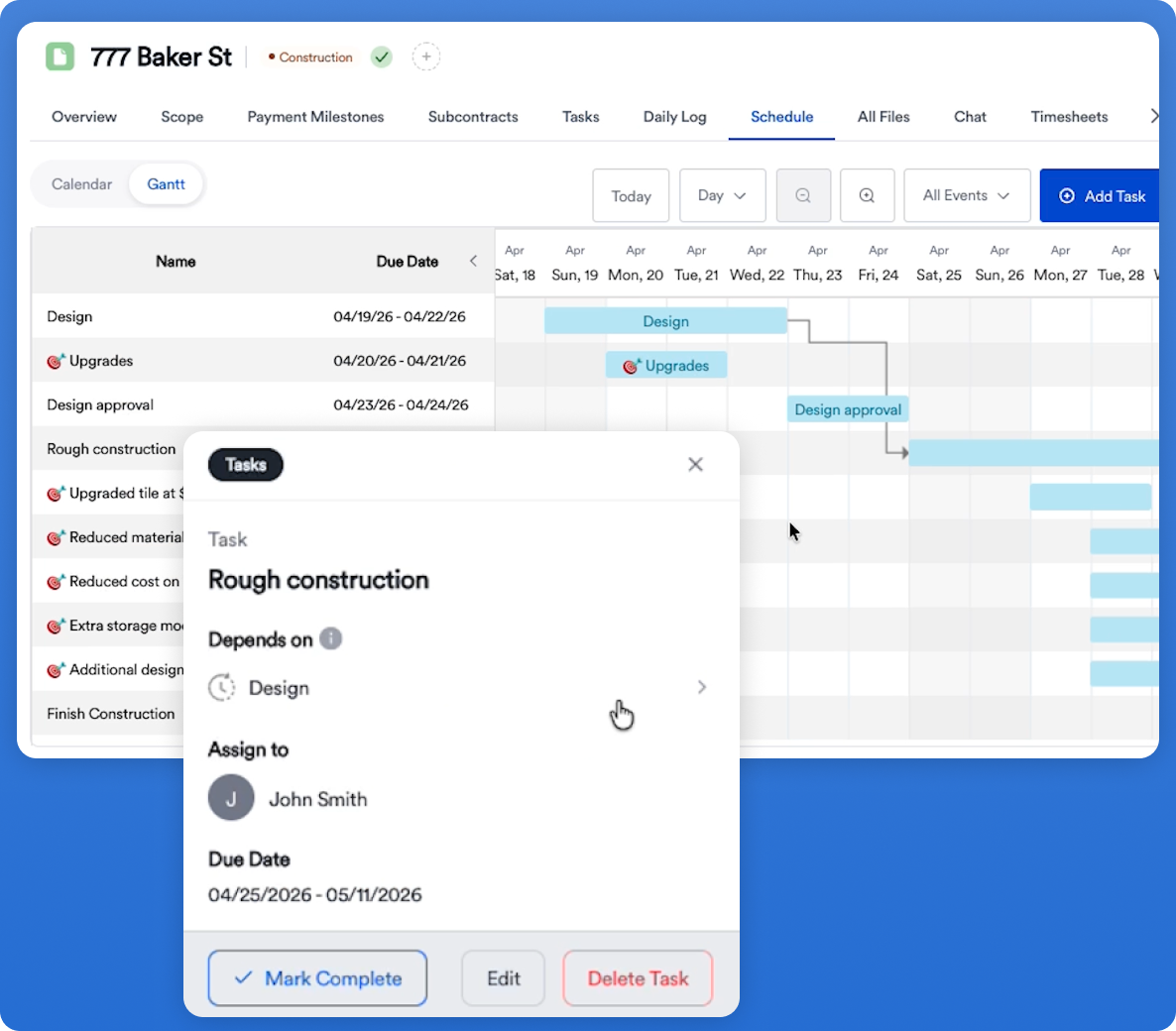
That is why the best pool builders do not manage jobs with memory, texts, and a few color-coded spreadsheets. They run a repeatable system that keeps everyone aligned from the first layout stake to final fill. In practice, that system is often powered by pool construction management software that centralizes schedules, job notes, invoices, documents, and communication in one place. When the whole team can see what is happening, the business spends less time reacting and more time building.
The pressure is real. The U.S. Bureau of Labor Statistics reported that over the last decade, construction has had one of the highest rates of workplace injuries and illnesses among major industries, a reminder that field work is complex and coordination matters. On top of that, the National Association of Home Builders has noted in multiple industry reports that supply-chain and labor disruptions continue to affect construction timelines and costs. For pool builders, that means project management is not a back-office task. It is margin protection.
Why pool jobs are uniquely hard to control
Pool construction combines several moving parts that do not always behave well together. There is excavation, structural work, plumbing, electrical, inspection scheduling, decking, interior finish, equipment startup, and sometimes landscaping or hardscape coordination. Many of these steps depend on weather and site conditions. A rainstorm can delay a dig. A permit issue can stall the whole sequence. A missing light niche or valve can force a crew to stop midstream.
The challenge is not just keeping the schedule. It is keeping the schedule visible. If the superintendent knows one thing, the office knows another, and the client is hearing something else, small delays become expensive misunderstandings. Good project management turns each stage into a handoff that is tracked, documented, and easy to update.
Start with a build sequence, not a rough idea
The cleanest pool jobs begin before the first shovel hits the ground. Successful builders map the job into phases and assign owners to each one. That includes preconstruction, excavation, steel or shell placement, rough plumbing, rough electrical, shotcrete or gunite, inspection, tile and coping, decking, equipment set, interior finish, startup, and closeout.
When each step is defined in advance, the crew does not have to guess what comes next. More important, the office can forecast labor, materials, and inspection dates with less scrambling. A solid sequence also makes it easier to identify where a job is stuck. If excavation is complete but steel has not started, the issue is obvious instead of hidden in a long chain of phone calls.
Protect margin by controlling changes early
Margin on pool projects often gets lost in the same few places: scope changes that are not documented, material price increases, rework caused by poor coordination, and truck rolls for missing parts or unclear instructions. The fix is not heroic effort at the end of the job. The fix is tighter control at the beginning and middle.
Builders who protect margin usually do four things well:
- They document selections before ordering materials.
- They track approvals for change orders before work proceeds.
- They keep a live record of labor hours against the estimate.
- They store job photos and notes so decisions are easy to verify.
That last point matters more than many teams expect. A photo of a plumbing layout or equipment pad can settle a disagreement in seconds and reduce costly revisits. When project data lives in separate texts, emails, and paper folders, the same issue can eat half a day.
Communication is the hidden profit center
Clients rarely mind a delay as much as they mind uncertainty. If they know what happened, what changed, and what the new plan is, they are usually far more patient. The same is true for subcontractors and vendors. Clear communication lowers friction and keeps crews from standing around waiting for answers.
Strong pool builders make communication part of the workflow. They send status updates at meaningful milestones, not just when someone asks. They confirm delivery dates in writing. They log inspection outcomes. They use one source of truth for the current plan so the office and the field are not working off different assumptions.
This is where software earns its keep. A system built for construction work creates a shared record of what was promised, what was completed, and what still needs attention. That alone can save hours each week.
Keep the field and office on the same page
In pool construction, field crews often see problems first. Maybe the excavation is deeper than expected. Maybe the site has drainage issues. Maybe the pool equipment will need a different layout because of a retaining wall or utility conflict. If the field team cannot quickly share that information, the office may continue planning around outdated assumptions.
Better teams close that gap with mobile access, task updates, and shared job records. The superintendent can upload a photo, note the issue, and flag the next decision point right away. The office can respond before the delay compounds. That creates a smoother handoff from one phase to the next and reduces costly rework.
Use data to spot jobs that are drifting
Not every project slips in an obvious way. Some jobs erode slowly. A day lost in excavation becomes another day lost at inspection. A late equipment order pushes startup back. A couple of extra labor hours on one job do not seem alarming until they happen across ten jobs. By the time the owner notices, profit has already leaked out.
The best builders review a few simple numbers regularly: schedule variance, labor budget versus actual, pending change orders, open tasks, and material status. These are not vanity metrics. They are early warnings. If a phase is consistently late, the problem may be estimating, coordination, vendor reliability, or crew capacity. Without the data, it is guesswork.
Where Eano Pro fits in
Eano Pro is designed to help builders bring order to the chaos without forcing the team to work in five different systems. For pool contractors, that means creating a cleaner flow from estimate to schedule to execution to closeout. Instead of chasing updates in one app, invoices in another, and job notes on a clipboard, teams can manage the job in one connected process.
That kind of visibility matters on pool jobs because the margin is often won or lost in the details. Eano Pro can help keep proposals organized, change orders documented, tasks assigned, and communication tied to the job record. For a pool builder, that makes it easier to know what is happening today, what needs to happen next, and where profit is at risk.
It also helps the business look more professional to homeowners. A client who receives timely updates and clear documentation tends to trust the process more, which lowers friction during the most stressful moments of the project.
A practical workflow from dig to fill
If you want a simple operating rhythm, start here:
- Confirm scope and selections before scheduling the dig.
- Lock in vendor lead times for steel, plumbing, finish materials, and equipment.
- Assign a phase owner for each part of the build.
- Log daily progress with photos and notes.
- Track changes immediately and get written approvals.
- Review budget and schedule health at least once a week.
- Prepare closeout documents before the final fill and startup.
This rhythm is not flashy, but it works. The goal is to make every job more predictable. Predictability leads to fewer surprises, fewer disputes, and healthier margins.
The bottom line
Pool builders do not need more chaos disguised as efficiency. They need a process that keeps the office, field, clients, and subcontractors aligned from start to finish. When every stage is tracked and every change is documented, the business can move faster without sacrificing control.
That is the real value of using the right construction management system. It reduces confusion, improves accountability, and helps protect the profit you already earned. For builders who want to spend less time chasing information and more time delivering great jobs, a platform like Eano Pro can make the difference between barely getting through the season and running a business that grows with confidence.