Sample Estimate for Pergola or Gazebo
A practical guide for homeowners and contractors to evaluate pergola construction bids with confidence and clarity.
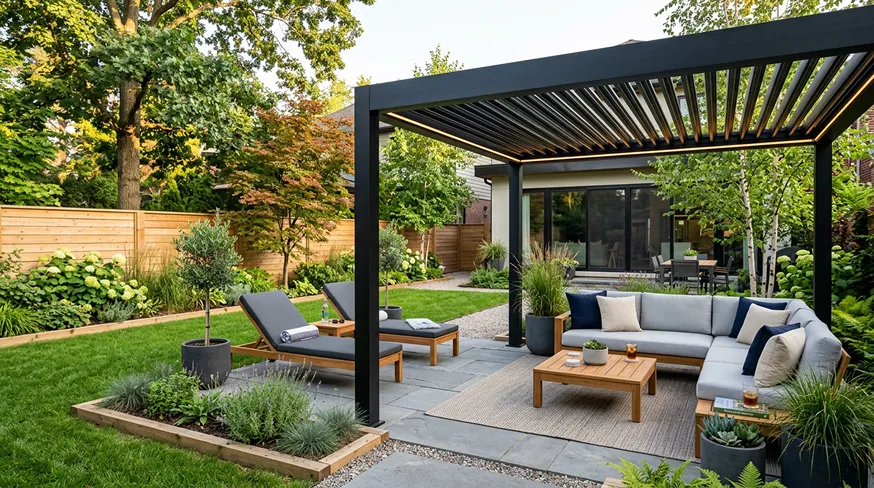
What's Included in the Pergola Construction Proposal
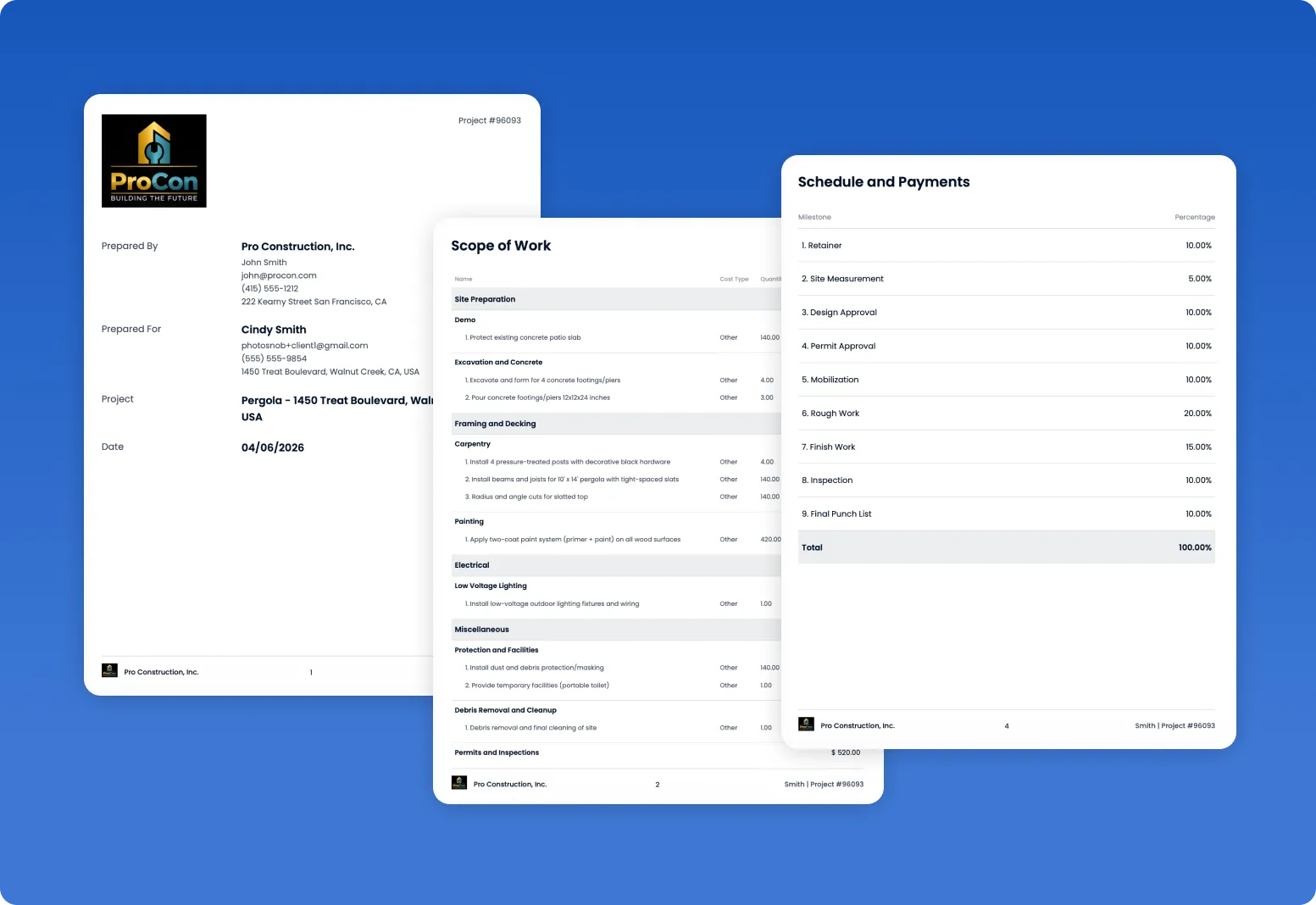
When reviewing a pergola construction estimate, it’s essential to understand the various components that make up the proposal and how they contribute to your project planning and budgeting. A well-prepared estimate typically covers site preparation, demolition, foundational work, framing, decking, finishing, electrical installations, and miscellaneous costs related to cleanup and permits.
This sample proposal breaks down costs clearly by task and quantity, allowing you to see exactly what you are paying for. For example, protective measures for existing patios and precise concrete footings are accounted for to ensure a durable pergola foundation. The framing stage can include detailed carpentry with pressure-treated posts, beams, and slats—key elements that impact the pergola’s durability and appearance.
Additional finishing steps such as painting and low voltage outdoor lighting are also accounted for, providing a comprehensive view of all the necessary work to deliver a high-quality finished product. Miscellaneous items, permits, and inspections included ensure the project adheres to local codes and is thoroughly cleaned post-completion, avoiding unexpected expenses.
Scope Breakdown for the Pergola Project
A clear scope of work helps both homeowners and contractors establish expectations and prevent misunderstandings throughout the project. Here is a detailed breakdown typically seen in a pergola proposal:
- Site Preparation: Removing debris, protecting existing structures, and preparing the area for new construction.
- Demolition: Limited demolition work, such as protecting or removing part of the existing concrete slab.
- Excavation & Concrete: Excavating for footings and pouring concrete piers to provide a strong foundation.
- Framing and Decking: Installing treated wood posts, beams, joists, and crafting slatted tops with precise cuts for aesthetic appeal.
- Painting: Applying a two-coat paint system to all wood surfaces to enhance durability and appearance.
- Electrical Work: Installing low voltage outdoor lighting fixtures to illuminate the pergola space.
- Miscellaneous: Includes dust protection, temporary facilities during construction, debris removal, and final cleaning.
- Permits & Inspections: Managing all necessary permits and official inspections to guarantee legal compliance.
This structure precisely defines what homeowners can expect at each stage and helps contractors detail all essential steps for smooth project delivery.
Why This Proposal Structure Works for Pergola Construction
An organized proposal with a detailed scope and clear payment milestones creates transparency and trust between contractors and homeowners. For budgeting, this breakdown makes it easier to plan payments aligned with real progress, preventing premature payments or disputes. You can see this in the detailed payment milestones, including retainer, measurements, design approval, and inspections, effectively reducing risk for both parties.
Additionally, including clauses about change orders, insurance, warranties, and dispute resolution ensures that all common issues are addressed upfront, making the contract more solid and fair. This level of transparency can be especially helpful for homeowners evaluating contractors or comparing multiple bids.
Using Eano Pro's hardscapes contractor software streamlines proposal creation, ensuring accuracy and compliance with best practices. This leads to smoother approvals and a better customer experience, which ultimately supports successful project outcomes.