
Cloud-Based Construction Estimating: How Better Coordination With Subs Protects Your Margins
When deadlines are tight and margins matter, clear coordination with your subcontractors isn’t a luxury — it’s a must. That’s especially true when the numbers are this stark: industry research shows that roughly 9 out of 10 construction projects experience cost overruns, and only about one-third come within 10% of their original budget. Projects that don’t nail estimating and coordination struggle to hit deadlines and protect profit, particularly when miscommunication between contractors and subs leads to blown budgets and costly delays.
Why Coordination Breaks Down on the Job
Most subcontractor issues don’t come from bad intent or lack of experience. They come from fragmented processes.
Many contractors still rely on a mix of:
- Email chains with attachments
- Shared spreadsheets
- PDF markups
- Text messages and phone calls
Each tool works fine on its own. Together, they create gaps.
Common Breakdown Points
- Multiple versions of the same estimate floating around
- Unclear scope boundaries between trades
- Late or missing subcontractor bids
- No record of why pricing changed
- Manual comparison of quotes that takes hours
When subs are working from different information—or outdated numbers—mistakes are inevitable. That leads to rework, change orders, strained relationships, and blown budgets.
The problem usually isn’t effort. It’s the system.
Why Estimating Is the Best Place to Fix Coordination Issues
Construction estimating is where alignment either happens—or doesn’t.
This is the phase where:
- Scope is defined
- Numbers are locked in
- Responsibilities are clarified
- Expectations are set
If coordination breaks down here, it carries through the entire project.
Cloud-based construction estimating focuses on this critical stage by giving everyone a shared source of truth. Instead of passing files back and forth, contractors and subs work from the same live data.
Streamlining Workflows With Cloud-Based Construction Estimating
Modern construction estimating software brings bidding, scope review, and communication into one place.
Instead of chasing updates, you can:
- Invite subcontractors to view project details–the same version the rest of the crew has
- Break out line items and scopes clearly
- Compare bids across subcontractors
- Track who owns what work
This eliminates guesswork and speeds up decision-making.
What Changes in Practice
- No more wondering if a sub saw the latest revision
- No more manual copy-paste comparisons
- No more digging through emails to find context
Everyone works from the same numbers, at the same time.
Improving Subcontractor Accountability Without Micromanaging
One of the biggest benefits of cloud-based estimating is accountability—without friction. Often the vendor management for a large operation can get out of hand if hundreds of tasks are subbed out.
What is Sub Bid Management?
Sub bid management is the process of requesting, collecting, comparing, and awarding bids from subcontractors during the estimating phase of a construction project. Instead of relying on emails, phone calls, and spreadsheets to track who has responded, contractors use sub bid management software to send bid invitations, organize quotes, compare pricing side by side, and communicate with subcontractors from one place. A well-managed bid process helps general contractors receive more competitive pricing, reduce missed scope, and select the right subcontractors before work begins. As projects become more complex and involve multiple trades, an organized sub bid management system can save significant time while improving estimate accuracy and protecting profit margins.
When subs submit pricing through a shared platform:
- Their numbers are timestamped
- Scope notes are visible
- Revisions are tracked
- Questions are documented
This creates clarity for both sides.
If something changes later, you can see:
- What changed
- When it changed
- Why it changed
That transparency protects contractors during disputes and helps subs feel confident they’re pricing against the correct information.
Efficient Communication Without Endless Back-and-Forth
Email isn’t built for estimating. It wasn’t designed for version control, structured pricing, or scope tracking.
Cloud-based estimating tools solve this by keeping communication tied directly to the estimate.
Instead of separate conversations, everything lives in context:
- Scope clarifications
- Pricing questions
- Revisions
- Notes
This cuts down on follow-ups and reduces misinterpretation.
When a change happens, everyone sees it immediately.
From Estimate to Build: Why Centralization Matters
One of the most costly handoffs in construction is the transition from estimating to execution.
In many workflows:
- The estimate lives in one system
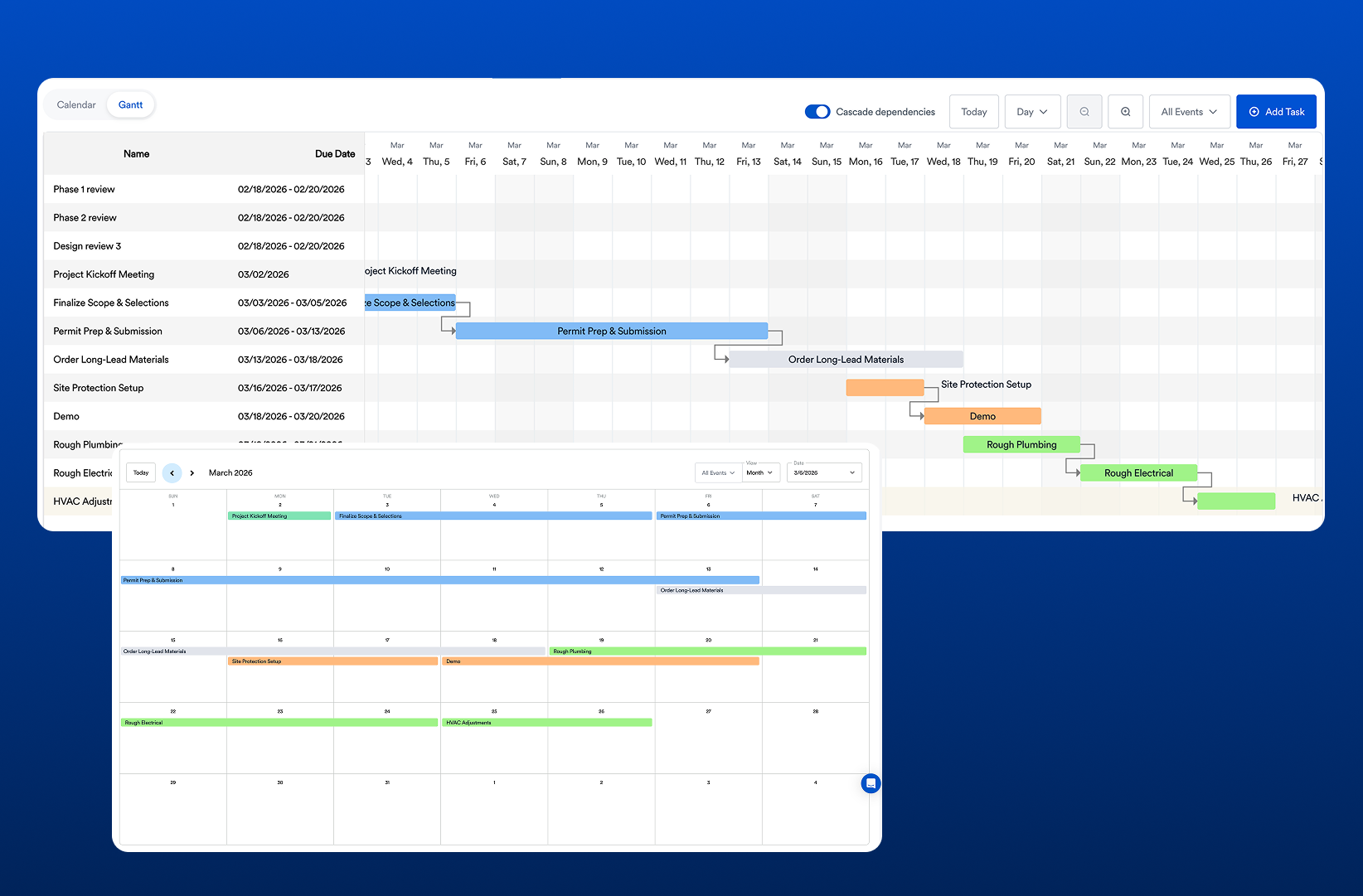
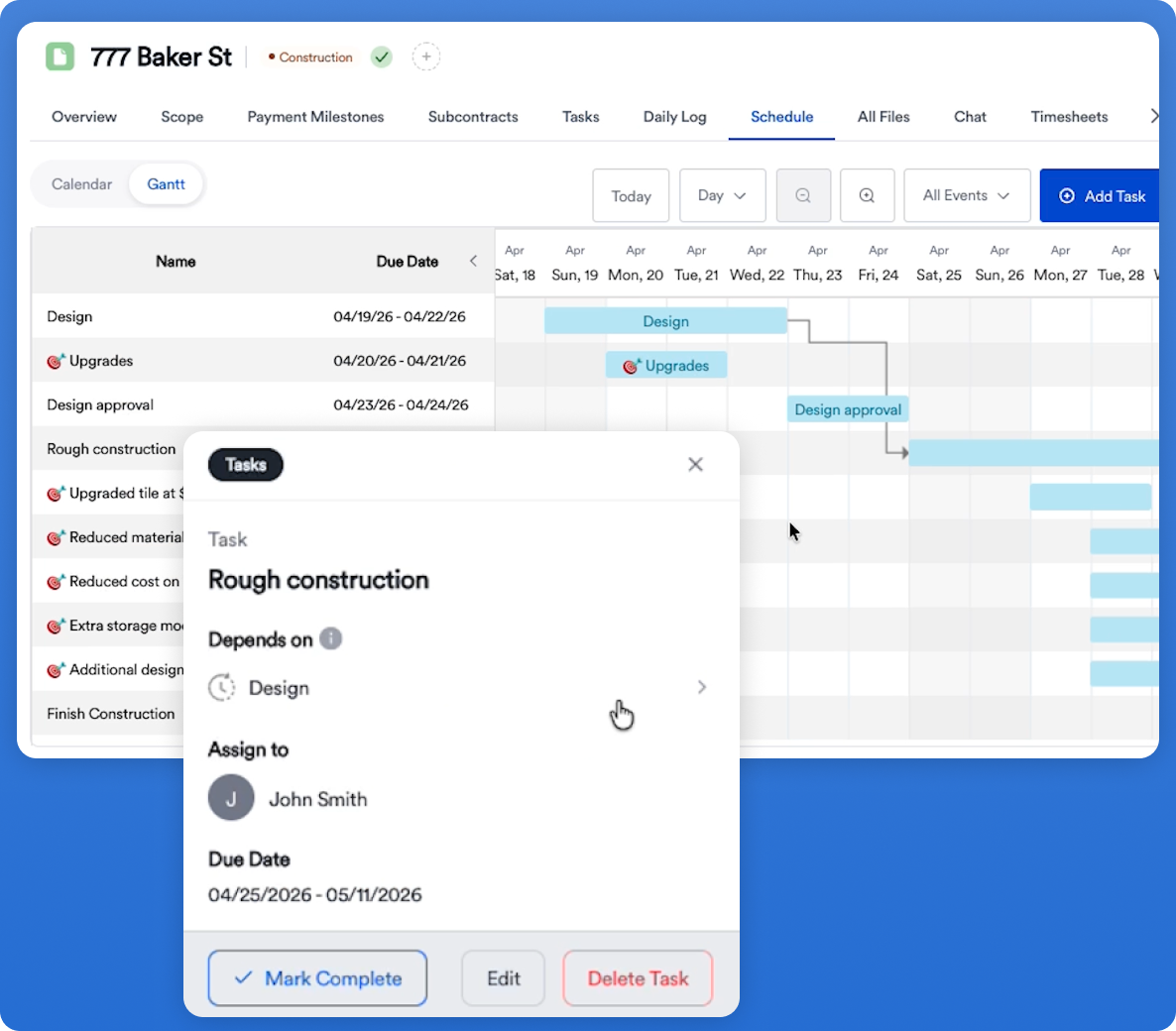
- The schedule lives in another
- The job budget lives somewhere else
- The field team never sees the original assumptions
That’s how mistakes happen.
Cloud-based estimating reduces this risk by keeping estimates connected to the rest of the project. When it’s time to build, everyone is still working from the same baseline numbers and scope.
The Role of Eano Pro in Subcontractor Coordination
.webp)
Eano Pro was designed around this exact problem: disconnected workflows between estimating, subcontractors, and project execution.
Rather than treating estimating as a standalone task, Eano Pro's contractor bid management software ties it directly into how contractors actually run jobs.
Learn more about Eano Pro's feature support for vendor management in construction
How Eano Pro Supports Better Coordination
- Centralized estimating with clear scope breakdowns
- Digital proposals that reflect real subcontractor input
- Visibility into who has submitted bids and who hasn’t
- Real-time updates so everyone sees current numbers
- A single source of truth from bid to build
Because estimating, proposals, and project management live in one system, handoffs are cleaner and fewer details fall through the cracks.
Reducing Risk Before the Job Even Starts
Many construction risks show up long before the first inspection.
Poor coordination during estimating leads to:
- Underpriced scopes
- Overlapping responsibilities
- Missed allowances
- Last-minute scrambling
Cloud-based estimating reduces these risks by forcing clarity early.
When subs submit structured bids and scope details are visible, gaps surface sooner—when they’re cheaper to fix.
Saving Time Where It Actually Matters

Time savings from construction estimating software don’t usually come from flashy features. They come from eliminating small inefficiencies that add up.
Think about how much time is spent:
- Following up with subs
- Comparing bids manually
- Clarifying scope after pricing
- Rebuilding estimates due to missing info
Centralizing the process gives that time back.
For smaller teams especially, this can be the difference between bidding more work—or turning opportunities down.
Why Small and Mid-Sized Teams Benefit the Most
Large firms often have staff dedicated to preconstruction coordination. Smaller teams don’t.
For small and mid-sized contractors, cloud-based estimating acts as a force multiplier:
- Fewer tools to manage
- Less admin work
- More consistent pricing
- Better subcontractor relationships
You don’t need enterprise complexity to get enterprise-level coordination. You need the right system.
Security and Trust in Cloud-Based Estimating
A common concern is security—and it’s a fair one.
Most modern estimating platforms use:
- Encrypted data storage
- Permission-based access
- Activity logs
This means only approved team members and subs see project details, and every change is tracked.
In practice, cloud-based estimating is often more secure than emailed spreadsheets and shared drives.
The Big Picture: Protecting Margins Through Better Coordination
At its core, cloud-based construction estimating isn’t about technology. It’s about reducing risk.
When everyone works from the same information:
- Fewer mistakes happen
- Fewer assumptions are made
- Fewer surprises show up mid-project
That leads to:
- Healthier margins
- Smoother builds
- Stronger subcontractor relationships
Tools like Eano Pro make this possible by giving contractors a single place to manage estimating, communication, and project execution—without adding unnecessary complexity.