In construction sales, the work rarely ends when the estimate goes out. In many ways, that is when the real work begins. Homeowners and property managers are often comparing multiple bids, juggling budgets, waiting on approvals, or simply trying to make a big decision with too many moving parts. The contractor who stays organized, responds quickly, and follows up with purpose usually has the edge.
That edge is not magic. It is a system.
Too many teams still rely on sticky notes, inbox searches, memory, and the occasional “Just checking in” text. That may work for a while, but it breaks down fast once the lead volume grows. A better approach is to build a repeatable follow-up process backed by software for managing construction sales so every opportunity gets the attention it deserves.
Eano Pro fits neatly into that idea. It helps contractors keep track of leads, proposals, and next steps in one place, which makes the follow-up process less chaotic and more consistent. When the team knows who needs a call, who is waiting on a revised scope, and which bids are aging out, it becomes much easier to move jobs forward instead of letting them go cold.
Why follow-up matters more than most contractors think
Construction buyers are not usually impulsive. They need time to compare options, discuss details with family or partners, and feel confident that the contractor they choose will show up, communicate well, and finish the job properly. That means the first estimate is only one step in a longer sales cycle.
There is also a speed factor. Research from Lead Response Management Study has shown that responding to a lead within five minutes can make a dramatic difference in contact and qualification rates compared with waiting longer. That matters in construction, where the homeowner who inquires today may be talking to three other companies by dinner.
And then there is the trust factor. Follow-up is not just about nudging someone to decide. It signals reliability. A contractor who follows up clearly and professionally is already demonstrating the kind of communication most clients want on the job itself.
The real cost of weak follow-up
Lost jobs rarely announce themselves. They drift away quietly. A lead goes uncalled for two days. A quote gets buried in a busy inbox. A customer asks for a revised scope, but the update never gets sent. The prospect stops replying, and eventually the job gets awarded to someone else.
That kind of loss is expensive because it is not just one missed project. It is the materials ordered, the labor planned, the time spent estimating, and the future referral that never happens. In construction, one win can lead to a second job, a neighbor referral, or a remodel down the road. One missed follow-up can erase all of that before it starts.
The good news is that this is fixable. Teams do not need to become aggressive or pushy. They need a process that makes every lead visible and every next step clear.
What a strong construction follow-up system looks like
A good system does not depend on heroic effort. It depends on simple habits carried out consistently.
First, every lead should be captured in one place as soon as it comes in. Whether the inquiry arrives by phone, web form, referral, or walk-in, it should land in the same pipeline. That way no one has to wonder where the request went.
Second, every lead should have an owner. If “everyone” is responsible, no one is. Even in a small team, one person should know whether the next step is a callback, a site visit, a proposal, or a revision.
Third, the team should define follow-up timing. For example: respond within an hour, check in after the estimate is sent, follow up again after 48 hours, and then send a final polite touchpoint a week later. The exact cadence can vary, but the discipline matters.
Fourth, each follow-up should have a purpose. “Just circling back” is weak. Better messages mention the proposal, answer a likely question, offer a clarification, or make it easier for the customer to say yes.
Finally, the process should include a clear path for stalled leads. Not every prospect is ready right now. Some need financing options. Others need an updated timeline. Some simply need a reminder that the contractor is available. The system should keep those opportunities alive without overwhelming the sales team.
How software helps teams stay consistent
Even the best process gets messy when it lives in someone’s head. That is where software becomes useful. It helps create repeatability, visibility, and accountability.
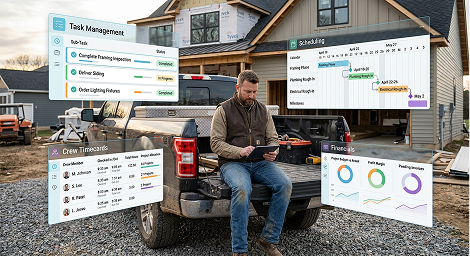
With the right system, a contractor can see which leads are new, which jobs are waiting on a signature, and which customers need another touchpoint. Instead of searching across texts, emails, and paper notes, the team gets a single view of the sales pipeline.
This matters even more when multiple people touch the same account. Maybe one person did the estimate, another handled the revision, and a third is responsible for closing. Without a shared system, information gets lost. With a shared system, the handoff is cleaner and the customer experience feels more professional.
Eano Pro helps contractors organize that handoff. It supports the sales process by making it easier to keep track of lead status, communication, and project movement. That kind of structure is especially valuable in construction, where sales conversations often stretch over days or weeks and details change along the way.
Human follow-up still wins
Software should support the conversation, not replace it. People still buy from people. A homeowner wants to know that the contractor understood the scope, listened to concerns, and cares enough to stay in touch. The best follow-up is timely, personal, and useful.
A quick note after the estimate can go a long way: “I wanted to make sure the siding options made sense and see whether you’d like a version that shifts more of the budget toward insulation.” That feels different from a generic reminder. It shows attention.
The same is true after a site visit or an unanswered proposal. A good follow-up message removes friction. It may answer a question before it is asked, attach a photo, clarify an allowance, or offer a short call to discuss scope. The goal is not pressure. The goal is momentum.
Simple habits that improve close rates
Small changes often create the biggest results. Contractors do not need a complicated sales playbook to see improvement. They need habits that can survive a busy week.
One helpful habit is sending a same-day recap after every estimate or job walk. It keeps the conversation fresh and shows professionalism.
Another is using a reminder system so no lead goes untouched after the first proposal. A two-minute check-in can revive a deal that was quietly fading.
It also helps to separate “not now” from “no.” A prospect who is waiting on financing or comparing bids may simply need a better next step. If the team tracks that properly, the lead stays warm instead of disappearing.
Finally, review lost deals with honesty. Did the team respond too slowly? Was the estimate unclear? Did someone forget to follow up after the site visit? Those answers make the next sales cycle stronger.
Why this matters for growth
Growth in construction sales is not always about finding more leads. Often, it is about converting more of the leads already coming in. A contractor with a strong follow-up system can win more work without increasing marketing spend at the same rate.
That is an especially valuable shift in a market where margins can be tight and time is always limited. When every estimate takes real effort, it makes sense to protect that investment with a process that helps turn interest into signed work.
There is also a reputation effect. Clients remember the contractor who communicated well. They tell friends, family, and neighbors. Over time, consistent follow-up builds a brand that feels dependable, not just competitive on price.
How Eano Pro can help
This is where Eano Pro becomes more than a convenience. It gives construction teams a practical way to keep sales organized, track opportunities, and reduce the chance that a promising lead slips through the cracks.
For contractors trying to create a reliable follow-up rhythm, that support matters. It helps teams see the next action, stay aligned internally, and respond with more confidence. Instead of guessing what happened on a lead, the team can see the status and move with intention.
The end result is simple: less chaos, better communication, and a stronger chance of closing the jobs you already worked hard to earn.
Final thought
In construction sales, follow-up is often the difference between a near miss and a signed contract. The contractor who responds quickly, stays organized, and keeps the conversation moving is far more likely to win the job.
That does not require a massive overhaul. It requires a system. Capture every lead, define the next step, follow up with purpose, and use tools that make the process easier to repeat. With the right approach—and the right support from Eano Pro—more of your hard-earned estimates can turn into actual projects.