
How to Make Your Estimates Easier for Homeowners to Understand
Homeowners usually do not want to decode a construction estimate. They want to know what is being done, what it costs, what could change, and when the work will happen. When an estimate is confusing, even a fair price can feel suspicious. When it is clear, organized, and easy to read, it builds trust before the first nail is ever driven.
That matters because trust is often the real deciding factor. In construction, a homeowner is rarely comparing only numbers. They are comparing communication, professionalism, and confidence. A strong estimate can make your company feel more reliable from the very beginning.
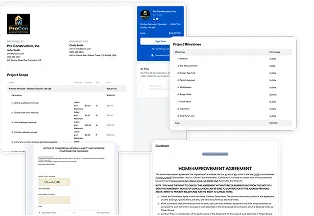
If you want a practical starting point, a well-structured construction project estimate template can help you present information in a format homeowners actually understand. The goal is not just to look organized. The goal is to make the decision easier for the client.
Why homeowners struggle with estimates
Most homeowners are not construction professionals. They may not know the difference between labor, markup, and overhead. They may not understand why one project includes demolition while another does not. They may also have no idea what is standard versus optional.
That gap creates frustration on both sides. You may feel like the estimate is obvious. The homeowner may feel like they are being handed a code sheet. The more technical the proposal looks, the more likely it is to raise questions or hesitation.
There is also a psychological piece here. Many homeowners are making one of the biggest spending decisions of their year. According to the 2024 Houzz & Home Study, homeowners continue to invest heavily in renovation projects, which means contractors are often competing not just on price but on clarity and confidence. A confusing estimate can push a client to delay or shop around.
Start with a plain-language scope of work
The best estimates begin with a simple explanation of the project. Before itemizing anything, write a short scope that answers three questions: what are you doing, where are you doing it, and what is included?
For example, instead of writing “interior remodel labor,” say “Remove existing kitchen cabinets, install new cabinetry, patch drywall as needed, and paint repaired areas.” That version is easier to picture. It reduces guesswork and gives the homeowner a real sense of what they are paying for.
Plain language does not mean oversimplifying. It means translating construction terms into everyday words. If a technical term is necessary, add a brief explanation beside it. The more understandable your scope is, the fewer surprises there will be later.
Break the estimate into clean sections
A homeowner should be able to scan your estimate and immediately understand the structure. Group your pricing into clear sections such as demolition, materials, labor, permits, subcontractors, and finish work. If the project has phases, separate them by phase.
This helps in two ways. First, it makes your estimate feel more professional. Second, it gives homeowners a sense of control. They can see where the money is going instead of staring at one large number with no context.
Short section headers and consistent formatting make a big difference. Even if the project is complex, the estimate should feel calm and easy to follow. Clarity is part of the service.
Show the homeowner what is included and what is not
One of the most common reasons estimates turn into disputes is assumption. A homeowner assumes something is included. The contractor assumes it is not. Weeks later, both sides feel blindsided.
You can prevent many of those conversations by clearly listing inclusions and exclusions. This is one of the simplest ways to improve your estimates. For example:
- Included: labor, standard cleanup, basic materials, hauling debris
- Not included: structural repairs, permit fees, fixture upgrades, unexpected mold remediation
It also helps to note allowances where appropriate. If a product selection has not been finalized, explain the budget amount and what happens if the homeowner chooses something above that amount. That one detail can save a lot of tension later.
Use quantities, unit prices, and totals whenever possible
Homeowners may not need every decimal point, but they do appreciate transparency. If you are charging for flooring, paint, trim, tile, or drywall, show the quantity and unit price when it makes sense. That makes your estimate feel grounded rather than arbitrary.
For example, instead of saying “Tile installation: $4,800,” you might say “Tile installation: 240 sq. ft. at $20/sq. ft.” The homeowner can see how the total was reached. That kind of detail reduces skepticism and makes your pricing easier to discuss.
Transparency does not mean inviting endless debate. It means giving the client enough information to feel informed. When homeowners understand the numbers, they are more likely to approve them.
Make allowances and alternatives easy to compare
Many homeowners want to know their options. They may be trying to stay on budget, improve finishes, or choose between a basic and premium version of the same scope. Estimates can help them make those decisions faster if you present options clearly.
One useful approach is to show a base price, then separate upgrades or alternates underneath it. That way, the homeowner can see what is required versus what is optional. If they want to move forward with a lower-cost version, the conversation becomes simple instead of awkward.
This is also where a clean estimate format matters. When alternatives are buried in paragraphs, people miss them. When they are presented side by side, homeowners can compare them without feeling overwhelmed.
Use a timeline so the estimate feels real
Price is not the only thing homeowners care about. They also want to know how long the project will take and what the sequence will look like. A rough timeline can help make your estimate feel more complete and more trustworthy.
You do not need to promise exact dates before the contract is signed. You do need to show the expected order of work. For example: demolition, rough work, inspections, installation, finishing, final cleanup. A simple timeline helps homeowners picture the process and prepares them for how life at home may change during construction.
When people know what to expect, they feel less stress. That is good customer service, and it can also reduce miscommunication after the job starts.
Keep the visual layout clean and easy to scan
Even a great estimate can fail if the layout is cluttered. Dense paragraphs, tiny fonts, inconsistent spacing, and too many colors make it hard to read. A homeowner should not need to zoom in or hunt for the total price.
Use white space. Use bold labels. Put totals in a place that is easy to find. If your company logo, contact details, and estimate number are displayed neatly at the top, the document feels more legitimate right away.
Think about how the estimate will be read. Most homeowners glance first, then read the details, then come back with questions. Design the document so each of those steps is easy.
Explain payment terms without sounding stiff
Payment terms can make homeowners nervous if they are written too abruptly. A simple, respectful explanation goes a long way. State the deposit amount, progress payments if applicable, and final payment expectations in straightforward language.
If you ask for a deposit, explain what it secures. If you use milestone billing, connect payments to project stages. Homeowners are usually much more comfortable when they understand why the schedule works the way it does.
Clear payment language also helps protect your business. It reduces misunderstandings and creates a more professional tone from the start.
How Eano Pro helps contractors create clearer estimates
This is where Eano Pro can make a real difference. Instead of building every estimate from scratch, contractors can use tools that help standardize the format, organize the scope, and keep the communication consistent from one project to the next.
Eano Pro helps you present estimates in a cleaner, homeowner-friendly way. That means less time rewriting the same information, fewer missed details, and a better first impression with clients who may be comparing multiple bids. It also helps your team stay aligned so that the estimate reflects the actual project plan.
For contractors who want to spend less time formatting documents and more time winning jobs, that kind of support is valuable. A polished estimate can help homeowners feel comfortable moving forward, and Eano Pro is designed to support that process.
A simple formula you can use on every project
If you want a repeatable system, use this structure for every estimate:
- Project summary in plain language
- Detailed scope of work
- Sectioned pricing with totals
- Inclusions and exclusions
- Allowances or alternates
- Timeline or project phases
- Payment terms
- Next steps and contact information
That structure keeps the estimate readable and professional without making it feel rigid. It also gives homeowners the information they need to make a decision with confidence.
Final thoughts
A homeowner-friendly estimate is not just a sales tool. It is a trust-building tool. The more clearly you explain the project, the easier it becomes for the client to understand your value and feel comfortable approving the work.
Clarity does not have to mean extra work every time. With the right format, better wording, and tools like Eano Pro, you can turn estimates into something simple, professional, and reassuring. And when homeowners understand what they are signing up for, the rest of the project usually starts on much better footing.